
If you’re an avid gambler or just someone looking to try their luck in the world of casinos, you’ve come to the right place. This article will delve into the fascinating world of casino betting, sharing valuable insights, tips, and strategies to help you beat the house and achieve consistent wins. Whether you’re a seasoned pro or a novice, our expert advice will empower you with the knowledge to take your casino game to the next level. Play your next winning game at https://ukm-ksrpmi.upr.ac.id/togel-online/.
Understanding the House Edge
Before we dive into the secrets of successful casino betting, let’s first understand the concept of the “house edge.” The house edge is the statistical advantage that casinos have over players in any given game. It’s a built-in advantage ensuring the casino generates profits in the long run, even if individual players occasionally win.
Different casino games have varying house edges. For example, slot machines typically have a higher house edge compared to games like blackjack or poker. Understanding the house edge is crucial because it helps you choose games that offer better odds, increasing your chances of winning.
Choose the Right Games
Now that you understand the importance of the house edge, the next secret to successful casino betting is to choose the right games to play. As mentioned earlier, some games have a lower house edge, giving you a better chance of winning over time. Let’s explore some popular casino games and their respective house edges:
Blackjack (House Edge: 0.5% – 1%)
Blackjack is a classic card game where players aim to have a hand value closest to 21 without exceeding it. By employing basic strategy and making informed decisions, players can significantly reduce the house edge. With careful play, skilled blackjack enthusiasts can even gain a slight advantage over the casino.
Poker (House Edge: Varies)
Poker is a skill-based game that pits players against each other rather than the house. The casino makes money by charging a small fee, known as the “rake,” from each hand played. Since poker involves strategic decision-making and reading opponents, it’s essential to hone your skills to become a successful poker player.
Roulette (House Edge: 2.7% – 5.26%)
Roulette is a game of chance where players bet on numbers or groups of numbers. The European version of roulette offers better odds with a lower house edge compared to the American version. Betting on specific numbers carries higher payouts but also higher risk, while betting on colors or odd/even numbers provides more balanced odds.
Slot Machines (House Edge: 2% – 15%)
Slot machines are the most popular games in casinos, but they typically have a higher house edge. While winning big jackpots on slots is possible, the odds are often against players. Consider playing slots for entertainment rather than relying on them for consistent profits.
Read also: Understanding the Basics of Baccarat Strategy & Rules
Master Bankroll Management
One of the most critical secrets of successful casino betting is effective bankroll management. Your bankroll is the amount of money you have set aside specifically for gambling. Properly managing your bankroll ensures that you can withstand losing streaks and play responsibly without risking money you can’t afford to lose.
Here are some essential tips for effective bankroll management:
Set a Budget
Before you step foot in a casino or log in to an online gambling platform, set a budget for your gambling activities. Only gamble with money you can afford to lose, and never chase losses by exceeding your budget.
Divide Your Bankroll
Divide your total bankroll into smaller sessions or betting units. This approach allows you to control your spending and gives you a clear idea of how much you can wager in each gaming session.
Avoid Betting Your Winnings
Resist the temptation to bet your winnings immediately. Instead, set aside a portion of your profits as part of your overall bankroll and continue playing with the remainder.
Know When to Walk Away
Winning streaks and losing streaks are part of casino betting. Knowing when to walk away, especially during a losing streak, is crucial to prevent significant losses and maintain a positive gambling experience.
Utilize Casino Bonuses and Promotions
Online casinos, in particular, offer various bonuses and promotions to attract and retain players. Taking advantage of these offers can provide you with additional playing funds, increasing your chances of winning without spending more of your own money.
Here are common types of casino bonuses:
Welcome Bonuses
Welcome bonuses are rewards given to new players upon signing up and making their first deposit. These bonuses often include free spins for slot games or matching a percentage of the initial deposit as bonus funds.
No Deposit Bonuses
No deposit bonuses are promotions that don’t require any deposit. Players can use these bonuses to try out games without risking their money. However, wagering requirements usually apply before you can withdraw any winnings from these bonuses.
Free Spins
Free spins are often offered as a standalone promotion or as part of a deposit bonus. They allow players to spin the reels of specified slot machines without using their own money.
Reload Bonuses
Reload bonuses are incentives given to existing players when they make subsequent deposits. These bonuses encourage players to keep playing at the casino.
Develop a Winning Strategy
While luck plays a significant role in casino betting, having a well-thought-out strategy can improve your chances of success. Here are some tips to help you develop a winning betting strategy:
Learn Basic Strategy
For games like blackjack, mastering basic strategy charts can significantly reduce the house edge. Familiarize yourself with optimal moves for different scenarios to make the best decisions during gameplay.
Practice and Familiarize Yourself with Games
Before wagering real money, practice casino games in free-play or demo mode. This allows you to get comfortable with the rules and mechanics of the games without any financial risk.
Avoid Risky Betting Systems
Betting systems that promise guaranteed wins are often ineffective in the long run. Avoid strategies that advocate doubling bets after losses or chasing losses with larger wagers.
Set Win and Loss Limits
Establish clear win and loss limits for each gaming session. Knowing when to stop playing after achieving a set win or facing a specified loss prevents you from making impulsive decisions during emotional moments.
Conclusion
Congratulations! You’ve now uncovered some of the most effective casino betting secrets that can give you an edge over the house and help you achieve consistent wins. Remember to choose games wisely, practice good bankroll management, take advantage of casino bonuses, and develop a winning strategy.


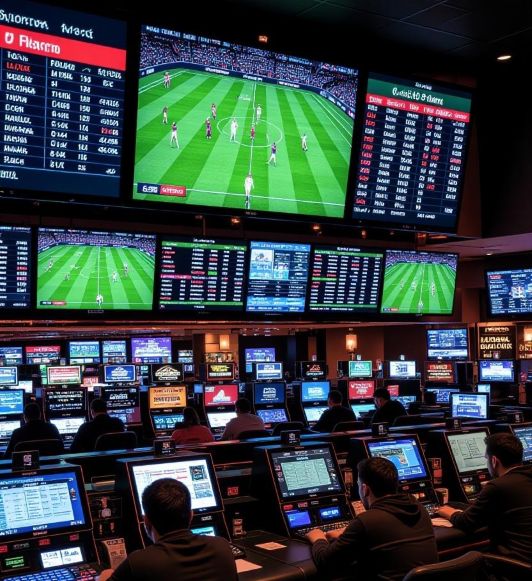
 Mobile platforms combine account management, sports information, payment processing, and wagering functions within a single interface. This makes the experience significantly different from traditional in-person betting.
 The industry is highly involved in professional and high-stakes bettors. Their betting lines and high stakes affect the market movements and their strategies. Platforms tend to change odds with their activity. This dynamic adds complexity to the betting ecosystem.
 Changing User Behavior to Mobile Platforms


 It was necessary to travel to one of the few upstate casinos to place a legal sports wager in New York before 2022. This limited reach limited the industry’s potential. The game shifted dramatically with the advent of smartphone apps. Instantly, gamblers could do it from any location, including Yankee Stadium (at the proper times, of course!). Also, their couches, or even bars.










 Sports betting attracts data-driven thinkers. Box scores, advanced metrics, trend databases, and scraping tools are easier to access than ever, even for bettors placing wagers on platforms like MrJack Bet. On the surface, it feels logical: if betting is about probabilities, then more data should mean better bets. Yet sportsbooks continue to win against bettors armed with spreadsheets full of statistics. The reason is simple but uncomfortable. Raw statistics, by themselves, are not enough. Sportsbooks don’t lose because someone found a stat. They fail when bettors understand timing, context, and market behavior better than the market itself. Data helps, but only when it’s interpreted correctly.
 Most bettors think more is better. More leagues. More games. More action. It feels productive, even professional. But it usually has the opposite effect. Spreading yourself across too many sports doesn’t make you sharper. It makes you noisier, slower, and easier to beat. Even when using platforms like Bet 10, betting fewer sports forces better thinking, lowers cognitive load, pushes deeper research, and cuts through the noise that ruins decision-making. In gambling, that focus isn’t just helpful. It’s necessary.
 Bankroll management sounds technical, but the idea is simple. It’s about deciding how much money you’re willing to bet and how you use it over time. The difference between casual and serious bettors isn’t just how often they wager, it’s how they treat their bankroll and what they expect from it. Some bettors see gambling as entertainment, others treat it as a long-term effort to make money, and many fall somewhere in between. Each approach requires a different bankroll strategy, whether you’re placing the occasional wager through a platform like 4play Bet or tracking results more deliberately over time. Using the wrong approach is a fast way to burn cash or ruin the experience.

 High-end roulette tables have become a hidden gem in New York’s entertainment scene. They attract players who crave the thrill of chance mixed with the elegance of a private club. These luxury experiences blend velvet-lined interiors, sparkling crystal lighting, and attentive service, creating an atmosphere far removed from the average casino floor. More locals are beginning to explore these venues as regulations adapt to modern gaming trends.
 Slot machines are built around simple mechanics: spin the reels, line up symbols, and collect your prize. However, beyond the base game, one feature has become a favorite among players who want to turn modest wins into something more exciting—multipliers. These game elements do exactly what their name suggests: they multiply your winnings, sometimes by just a slight boost, other times by staggering amounts, making them a big draw for those who play online casino games.
 The difference between 22Bet Italia and any other online betting platform is that 22Bet Italia can cater to both casino players and sports lovers. People can bet on football, basketball, tennis, and dozens of other kinds of sports, and they can also play slot machines, roulette, blackjack, and live dealers. In addition to diversity, the design of the platform is customized to be convenient.


